
-
Toxins, Liver Damage, and the Need for Liver Cleansing Treatments
In light of today’s advanced technological age, the level of toxins the body ingests on a day-to-day basis runs higher than ever before. While the body, particularly the liver, does a good job at expelling toxins, a certain degree of build-up can be expected over time. Toxins pose a threat at most every point where […]
Continue reading ›
-
How Detox Treatments Can Help Relieve Menopausal Symptoms
Menopause can affect different women in different ways, with some undergoing a smooth transition while others experience extremely uncomfortable symptoms that all but diminish their quality of life. The hormonal changes taking place during menopause can offset any number of bodily systems causing ongoing discomfort and frustration. During this time, any extraneous substances capable of […]
Continue reading ›
-
Why Detoxing Should be Top On Your To-Do List
With the advent of processed foods, fast foods and preservatives, global food supplies have taken on more chemicals than ever before. According to the U. S. National Library of Medicine, the amount of xenobiotics, such as metals and synthetic chemicals, has seen exponential increases over the past century. Human exposures to scores of PBTs, also […]
Continue reading ›
-
Daily Habits for Healthy Detox
The human body has an amazing capacity for clearing out the toxins it encounters on a daily basis. According to the University of Hawaii, toxins found in the environment continue to grow in number and mass with each passing year. Likewise, food supplies undergo a series of preparation and processing stages that employ a wide […]
Continue reading ›
-
6 Fun Ways to Detox Naturally
American culture places a high value on grooming and cleanliness in general. Maintaining a certain degree of “freshness” is expected in everyday society. Unfortunately, the importance of keeping the outside of the body clean has yet to apply for the body’s interior landscape. Toxin build-up, a process that starts as early as birth, accounts for […]
Continue reading ›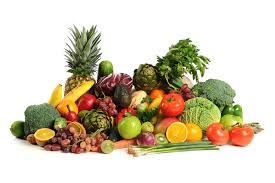
Want to cleanse your body and feel good from the inside out? Detox is the process of eliminating toxins from the body through proper diet, exercise, supplements and healthy living. Face it, we’re exposed to a number of pollutants every day; Free radicals within the air, smog and smoke, pesticides and other toxins on the foods that we eat as well as a number of other hazards are lurking in just about everything that we do. Detox, put simply, makes you feel rejuvenated, healthy and ready to tackle another big day.
What is Detox?
When a person takes steps toward neutralizing free radicals, eliminating environmental toxins and cleansing the body of dietary toxins for overall health they are detoxifying. In the medical world, detox can mean decontamination of poison by ingestion while in the treatment industry, detox stands for the period of time during which a substance abuser returns to homeostasis following the sustained use of an addictive substance.
Toxins, including dietary toxins, pesticides, substances such as alcohol or drugs, and environmental toxins can all cause damage to the body tissue and overall function of the body. Detox can help to eliminate these toxins through fasting, stimulation, elimination, improved circulation and recuperation. A detox allows the body to cleanse itself naturally, effectively eliminating toxins that are stored deep within the tissue and organs for optimal inner and outer health.
Why Detox?
Healthy living is about more than just eating right and getting adequate exercise. Detox can help you feel better physically and emotionally. As you eliminate toxins from the body, you will notice that your digestive system functions better, your skin is clearer, you feel leaner and lighter and overall you just feel better. A detox can help you kick-start a weight loss program, build lean muscle, reduce stress, identify food allergies, identify the foods that are weighing you down or making you feel less energetic, and even transition from one phase in life to another.
Even the most health conscious individual is affected by the dangers of pollutants such as environmental toxins. A detox can help to improve functioning of the liver, lungs, colon and the circulation of blood which also works to improve other areas of the body including the skin and complexion. A body detox can improve energy levels, boost metabolism, eliminate headaches or body pains and have a lasting impact on emotional health and well-being.
Choosing a Detox Program
There are a number of different detox programs and cleansing programs available to help you eliminate toxins from the body and improve your overall quality of life. Choosing a detox program that’s right for you will require you to consider the following factors:
- Your overall health
- How experienced you are with detoxification
- Your current energy level
- Your weight and daily calorie needs
- The length of time you wish to detox
- The results you are looking to achieve (increased energy, weight loss, increased metabolism, etc)
Selecting a detox program that will provide you with a safe and effective cleanse is important. Talk with your doctor about any major cleanses or detox programs that involve starting a new diet. If you have health conditions that may be affected by the foods that you eat, be sure to discuss your decision to take part in a detox program with your doctor before you begin as some health conditions could be adversely affected by the complete elimination of certain foods or extreme and abrupt changes in diet.
Keep in mind that no matter what detox diet or cleanse you choose, the program should be short term. Detoxifying is not a long term dietary plan and should not take the place of sustained healthy eating habits. You can maintain many of the benefits of a detox program by taking part in healthy habits that will help you to keep your body feeling good. Eating healthy foods, using supplements, getting adequate exercise, staying hydrated, reducing stress and having a positive attitude can go a long way at helping you to maintain optimum health and well-being.
Addicted to Fasting: Should You Get Help
According to the Mayo Clinic, fasting may be a good way to strengthen your body and kick off a weight loss program. Unfortunately, ....

11 Reasons you Should Detox from Drugs Regularly
According to the National Library of Medicine, detoxing is stopping the use of a substance suddenly and with support. This process is ....
Benefits of Lemon Water During an Alcohol Detox
Most people have at least tried alcohol at some point in their life. What most people do not know is that alcohol does damage to every ....
15 Reasons to Detox after a Drug and Alcohol Binge
It is well known that drugs and alcohol contain numerous harmful substances that damage the body and mind. After a drug and alcohol ....
How to Detox the Liver after Binge Drinking
According to the National Institute on Alcohol Abuse and Alcoholism, many binge drinking episodes are started because of stress. When ....
True Facts: Ultimate ....
The Maqui berry, also known as the Chilean wine berry, has overtaken the Acai berry for Top Health Berry. It contains more ....
Pure Colon Detox Reviews
A Revealing Peek into Pure Colon Detox People are finding it tougher and tougher to find a product that will help them to lose weight ....
Pure Berry Detox Review
A Stunning Peek into the Effects of Pure Berry Detox Pure Berry Detox has quickly become the hottest health supplement on the market ....
Acai Berry Detox Scams
For all of the positive information and resources about various cleansing treatments and detoxification products, there are just as ....
Acai Berry Detox Reviews
Acai Berry Detox reviews can be found all over the internet. Undoubtedly one of the hottest trends this year, the Acai berry is now ....